

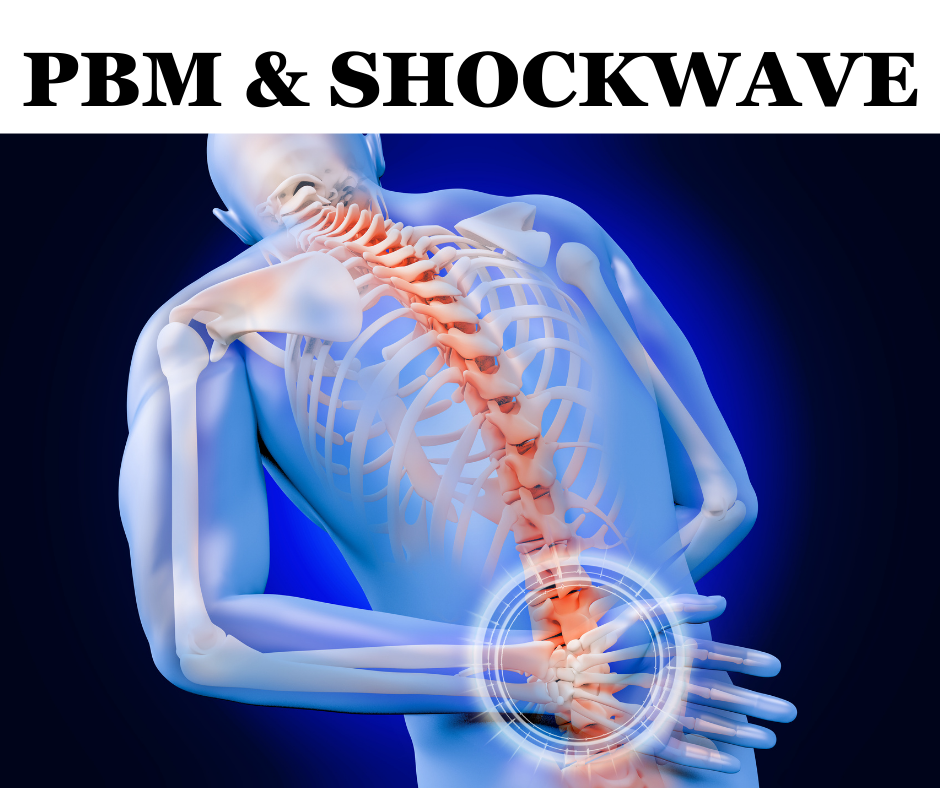
Photobiomodulation and Shockwave Therapy for Musculoskeletal Injuries
Photobiomodulation and shockwave therapy are two promising non-invasive modalities for treating musculoskeletal injuries. By stimulating cellular repair, reducing inflammation, and promoting pain relief, these therapies provide effective alternatives to traditional treatments.

The Case for Class 4 Laser Therapy: A Persuasive Appeal to Medical Doctors
By adopting this therapy, medical doctors can improve patient satisfaction, enhance clinical outcomes, and reduce the reliance on medications with harmful side effects. Embracing Class 4 laser therapy is not only a step toward more effective healthcare but also a proactive choice that reflects a commitment to staying at the forefront of medical innovation.

Opioids
The dangers of opioids and addiction emphasize the need for comprehensive strategies to manage pain without relying solely on these drugs. Alternatives like photobiomodulation with a class4 therapeutic laser, chiropractic and physical therapy, non-opioid medications, and holistic treatments are essential.

Medical Interventions for Pain: Prioritizing Least Invasive Solutions
The priority in pain management should be to explore the least invasive solutions first, such as photobiomodulation. These approaches not only provide effective pain relief but also minimize the risks and complications associated with medications and surgical procedures.

Pain Management Options: A Comprehensive Overview
Understanding the benefits and risks of each pain management option allows patients and healthcare providers to make informed decisions for optimal pain relief and improved quality of life.

The Benefits of Whole Body Photobiomodulation: A Guide for Patients
Whole-body photobiomodulation offers a wide range of health benefits, from pain relief and improved muscle recovery to enhanced skin health and cognitive function. Whether you are seeking relief from a chronic condition or looking for a natural way to enhance overall wellness, this therapy is a safe and non-invasive option with a growing body of research to support its effectiveness.

Photobiomodulation: An Advanced Explanation
Photobiomodulation represents an exciting area of therapeutic development that leverages light to enhance cellular function, reduce pain, and accelerate healing. Its ability to target specific conditions, like arthritis, sports injuries, and even neurological issues, makes it a versatile tool in modern medicine.

Class 4 Laser Therapy for Peripheral Neuropathy
Class 4 laser therapy has emerged as a promising treatment option for peripheral neuropathy, a condition characterized by damage to the peripheral nerves that often leads to pain, numbness, and weakness, typically in the feet and lower extremity, and sometimes in the hands.

The Synergistic Benefits of Combining Spinal Decompression and Class 4 Laser Therapy: A Comprehensive Approach for Chiropractors
The synergy between spinal decompression and Class 4 laser therapy represents the future of non-invasive musculoskeletal treatment, providing chiropractors with a cutting-edge toolset for delivering effective and lasting patient care.

How Does Chemotherapy Cause Peripheral Neuropathy?
Chemotherapy is a powerful treatment for cancer that targets rapidly dividing cells, including cancerous ones. While it is an effective method for fighting cancer, it can also affect other rapidly dividing cells and cause side effects, one of which is peripheral neuropathy.
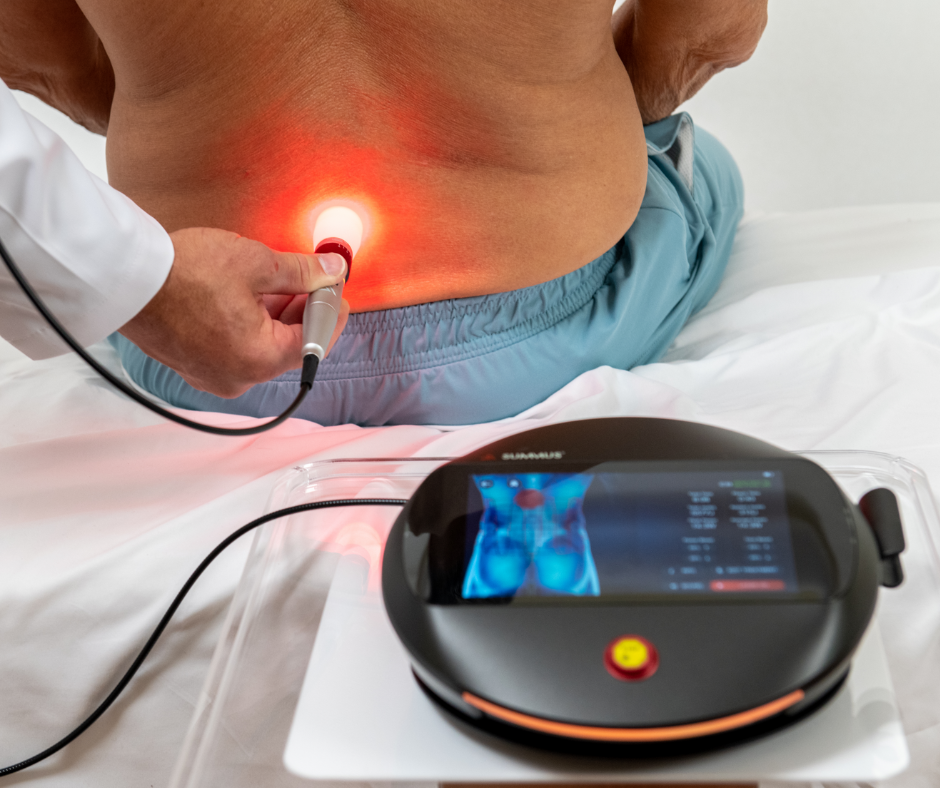
The Safety and Efficacy of Class 4 Laser Therapy
Overall, class 4 laser therapy is a safe, effective, and non-invasive option for many individuals suffering from pain or injury.
How Does Diabetes Cause Peripheral Neuropathy?
In conclusion, peripheral neuropathy in diabetes is primarily caused by high blood sugar levels, which damage the nerves through reduced blood flow, oxidative stress, inflammation, and metabolic disturbances.
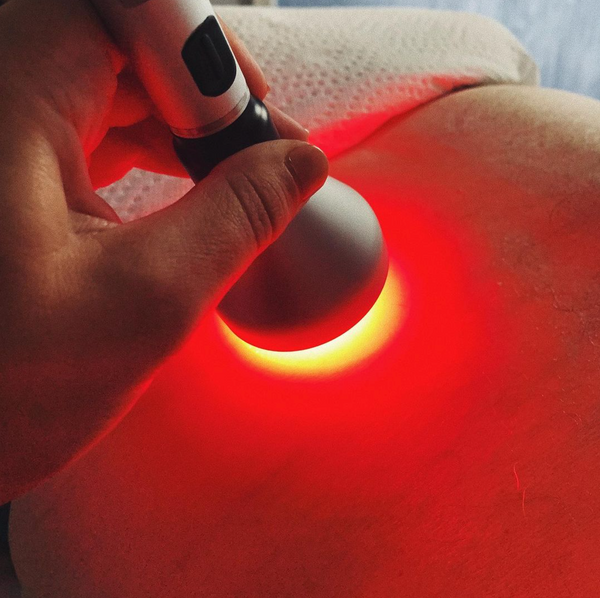
Photobiomodulation Simply Explained
Photobiomodulation is an exciting way to help the body heal using light. By boosting the energy in our cells, it can reduce pain, heal injuries faster, and even help with conditions like arthritis.
Laser Therapy History
The history of laser therapy demonstrates the evolution of technology from its theoretical origins to a practical and versatile medical tool. From the pioneering work of scientists like Maiman and Mester to the modern advancements in photobiomodulation therapy, laser therapy has revolutionized the medical field.
Class 4 Laser Therapy for Knee Pain
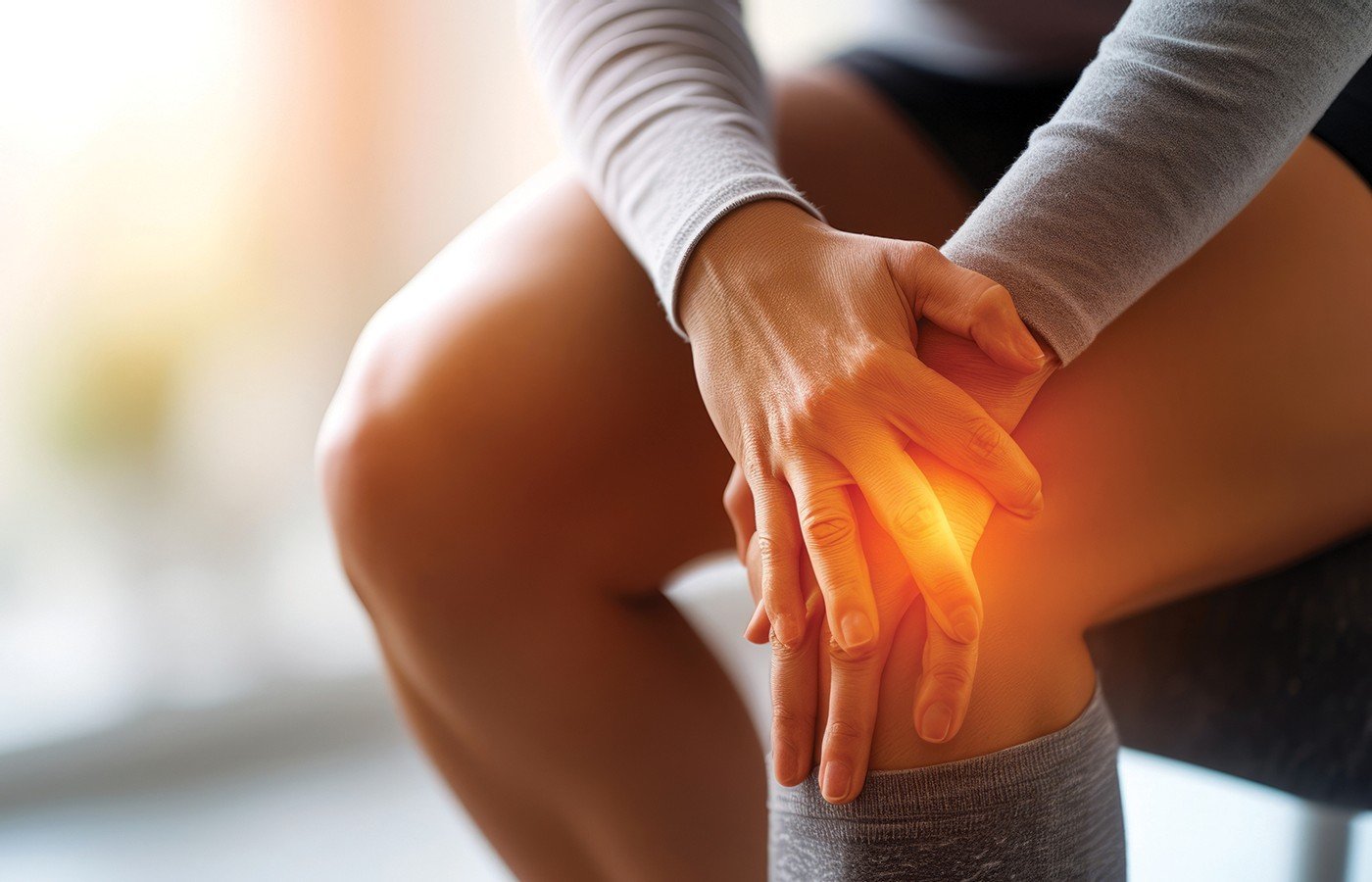
Conventional treatments for knee pain often include medication, physical therapy, and in some cases, surgical intervention.
However, these treatments may not always provide lasting relief and may be associated with potential side effects.
This case study highlights the patient’s progress and outcomes over a six-week treatment period, demonstrating the potential benefits of laser therapy in pain management.

Class 4 Laser Therapy for Low Back Pain
WHAT YOU NEED TO KNOW
In recent years, class 4 laser therapy has gained attention as a potential alternative or adjunctive treatment for pain management.
In this case study, after four weeks of class 4 laser therapy, the patient reported noticeable improvements in pain and functionality.
Laser therapy was the only intervention used; there was no spinal manipulation, axial decompression or other interventions utilized with this specific patient.

Case Study: Class 4 Laser Therapy for Neck Pain
Chronic neck pain is a prevalent musculoskeletal condition that significantly impacts the quality of life of affected individuals. Neck pain is the fourth leading cause of disability, with an annual prevalence rate exceeding 30%. Emerging modalities such as photobiomodulation via class 4 laser therapy have gained attention for their potential to alleviate pain and promote tissue healing.
This case study explores the application of class 4 laser therapy in treating a patient with chronic neck pain, detailing the treatment protocol, outcomes, and relevant research. The study aims to contribute to the growing body of evidence on the effectiveness of class 4 laser therapy as a non-invasive and safe option for managing neck pain.

Case Study: Class 4 Laser Therapy for a Rotator-Cuff Injury
Rotator-cuff injuries, ranging from tendinopathies to tears, affect a significant portion of the population, particularly individuals engaged in overhead activities or repetitive motions. These injuries can lead to pain, reduced range of motion and diminished quality of life.
Conventional treatments range from conservative approaches, such as physical therapy and non-steroidal anti-inflammatory drugs (NSAIDs), to surgical interventions. However, recent advances in therapeutic modalities have introduced class 4 laser therapy as a potential alternative for managing rotator-cuff injuries.

The #1 Modality to Add to Your Practice
If you are considering adding a modality that is scientifically and clinically proven, delivers consistent results, and can be administered by your staff and you are not offering laser therapy yet, now is the time. Doctors of chiropractic are in a unique position to offer this healing modality, as it complements the patient care already being delivered; and can facilitate improved pain relief, injury healing and patient satisfaction.
Review of PBM Contraindications, Part 2
Photobiomodulation is an excellent modality because it is effective for a wide variety of conditions, can help with managing pain, inflammation and damaged tissues, and has few contraindications. But in the event of an adverse event, advice from a malpractice specialist is warranted.
“Class 4 Laser Therapy will be an integral modality worldwide in all fields of healthcare.”
— Dr. Phil Harrington, lecturing in Malaysia
